How to Find the Best Elk Hunting Guides and Outfitters
Choosing Your Elk Hunting Guide or Outfitter
Elk hunting represents the pinnacle of North American big game hunting — challenging, rewarding, and unforgettable. The right guide or outfitter transforms your experience from a grueling mountain adventure into a successful, educational hunt. Whether you're pursuing your first bull or your tenth, selecting the right partner matters enormously.
Why Hire an Elk Hunting Guide?
Elk country covers millions of acres across the American West. Without intimate knowledge of specific hunting areas, animal movement patterns, and terrain navigation, success becomes nearly impossible. Professional guides dramatically increase your odds while teaching you skills that last a lifetime. Beyond the practical advantages, hunting with an experienced guide creates mentorship relationships that deepen your appreciation for the mountains and elk themselves.
Top Elk Hunting States
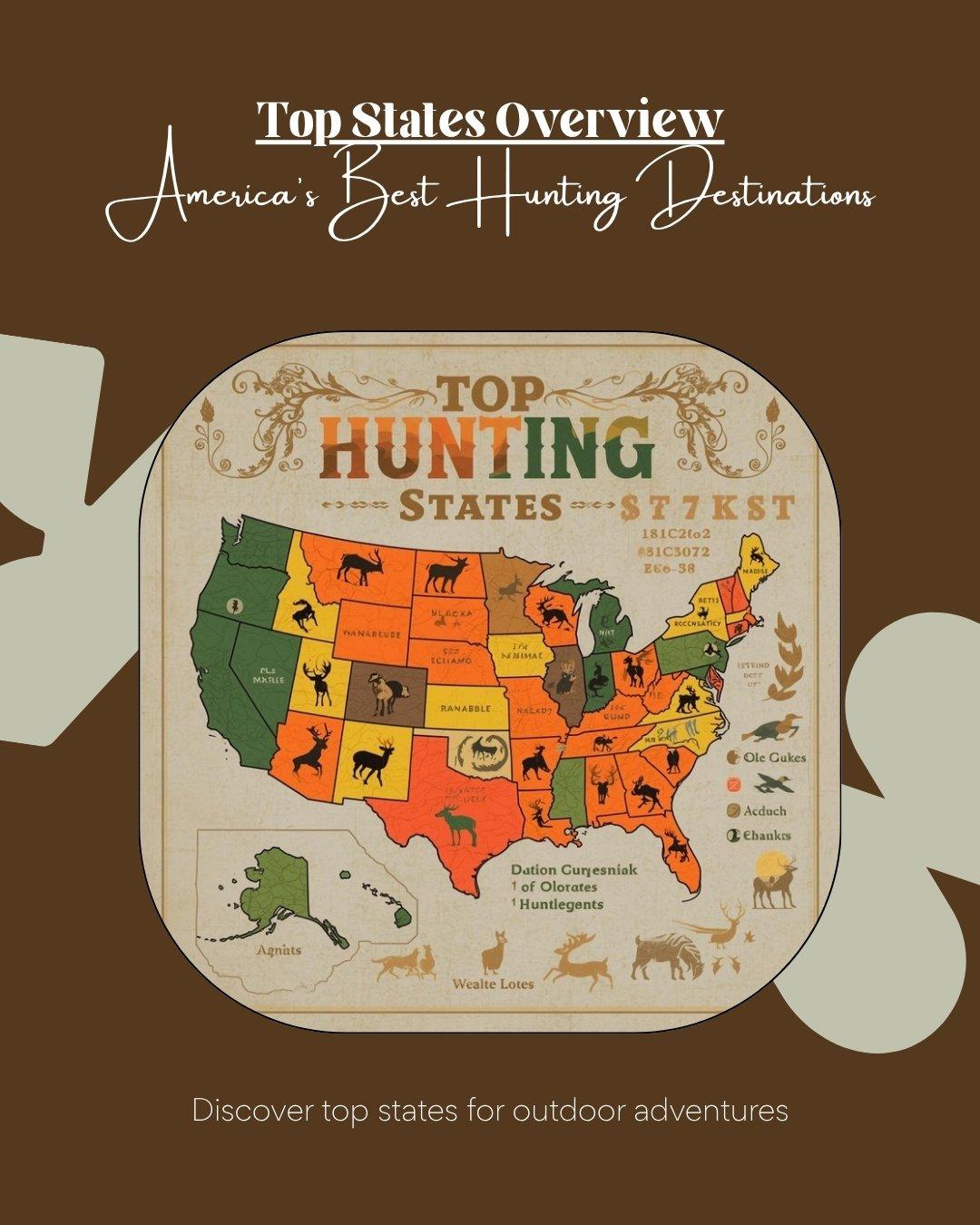
Colorado consistently ranks as the premier elk hunting destination, with over 280,000 elk distributed across diverse terrain from high mountains to high deserts. Montana offers incredible elk hunting across vast wilderness areas, with some regions remaining relatively uncrowded. Wyoming combines abundant elk with reasonable draw odds and diverse hunting opportunities. New Mexico provides excellent bull opportunities with more lenient licensing requirements. Idaho hosts massive bull elk in wild mountain country, attracting serious hunters seeking trophy animals. Each state has unique draw systems, seasons, and outfitter landscapes that influence your options.
Guided Hunts Versus DIY Adventures
Many hunters start with guided hunts and transition to DIY expeditions once they've gained experience. Guided hunts provide immediate access, instruction, and higher success rates but cost significantly more and offer less independence. DIY hunts require extensive preparation, draw tag luck, and self-sufficiency but provide unmatched autonomy and lower costs. The choice depends on your experience level, budget, and hunting philosophy. First-time elk hunters almost always benefit from professional guidance.
Understanding Draw Systems and Tag Acquisition
Most western states use drawing systems to allocate limited tags. Colorado uses a weighted drawing where preference points increase your odds. Montana offers both resident and nonresident opportunities through drawings. Wyoming has some over-the-counter tags plus drawing units. New Mexico uses a computer draw system. Understanding these systems is crucial to planning your hunt. Outfitters can guide you through application processes and often have recommendations for units with reasonable odds. Some outfitters offer guaranteed private-land hunts requiring no drawing.
What Makes a Quality Elk Guide
Top-tier elk guides combine exceptional physical fitness, deep mountain knowledge, expert calling skills, and genuine passion for the sport. They understand elk behavior intimately, can navigate difficult terrain safely, and remain determined through extended hunts. Quality guides are patient teachers who involve clients in decision-making rather than simply directing. They maintain current licenses, liability insurance, and safety equipment. They know multiple backup plans when conditions change. References and reviews from previous clients reveal whether a guide matches your needs and hunting style.
Evaluating Outfitter Credentials
Research outfitter credentials thoroughly before committing significant money and time. Check state licensing and verify guides carry proper credentials. Request references and contact previous clients directly. Ask about success rates and ask for documentation. Investigate whether the outfitter controls private land or depends entirely on public land access. Understand exactly what's included — meals, horses, support, equipment — and what additional costs may arise. Verify insurance coverage and safety protocols.
Physical Preparation for Mountain Elk Hunting
Elk hunting at elevation demands exceptional physical conditioning. Begin training three months before your hunt with hiking, stair climbing, and loaded pack carries. Strength training focuses on legs and core. Cardiovascular fitness is paramount. Practice on similar terrain if possible. Altitude acclimatization is crucial — arrive several days early to adjust. Your guide will match pace to your fitness level but even well-guided hunters find alpine elk hunting strenuous and demanding.
Licensing Requirements and Regulations
Each state has specific licensing requirements, tag types, and season regulations. Most states require hunter education certification. Nonresidents typically need special nonresident tags. Weapon choice — rifle, archery, muzzleloader — determines season and access. Understand bag limits, legal elk characteristics, and territory boundaries. Guides handle many logistics but familiarize yourself with regulations. Breaking rules, even unknowingly, carries serious consequences including license suspension and fines.
What Quality Guides Provide
Quality outfitters provide horses or vehicles for access, maintain comfortable camps or lodges, supply quality food, furnish necessary equipment, and handle logistics. They bring expertise in reading terrain, locating elk, and executing successful stalks. They teach while hunting rather than just directing. The best guides adjust strategies based on actual conditions, weather, and animal behavior. They share knowledge generously, creating mentorship relationships that extend beyond the hunt.
Elk Hunting Seasons and Timing
Elk hunting seasons vary by state and weapon type. Archery seasons typically open in early September during the pre-rut when bulls are vocally responsive. Rifle seasons follow, with general seasons running through October and November. Late seasons in December and January hunt post-rut bulls as energy demands push them into vulnerable patterns. Weather, migration, and rut timing influence the best hunt periods. Your guide should recommend timing that matches elk behavior and your goals.
Budget Expectations for Guided Elk Hunts
Guided elk hunts vary significantly in cost. Outfitter camps range from rustic to luxurious. Budget-conscious hunts run $3,500 to $5,000 for week-long adventures. Mid-range hunts average $5,000 to $8,000 weekly. Premium outfitters with private land and luxury accommodations exceed $10,000 weekly. Tag costs, travel, and additional fees vary by state. Do thorough budget planning before committing. Many outfitters offer payment plans to spread costs.
Booking Your Elk Hunt
Reserve your guided elk hunt 12 to 18 months in advance for premium outfitters and popular units. Popular Colorado units and Montana wilderness hunts book faster. Outfitters typically require deposits to secure dates. Provide the outfitter with detailed information about your experience, fitness level, and hunting goals. Discuss weapon choice and preferred terrain. Confirm what to bring and what the outfitter provides. Build communication with your guide before the hunt.
Learning and Growth Through Guided Hunts
The best guided elk hunts produce lasting memories and valuable knowledge. Observe your guide's decision-making, terrain reading, and problem-solving. Ask questions about why specific tactics work. Learn calling techniques, glassing patterns, and animal behavior. Good guides enjoy sharing expertise. Many hunters return to the same outfitter yearly, building friendships and deepening their elk hunting knowledge with each adventure.
Finding the right elk hunting guide or outfitter is one of the most important decisions in pursuing western elk. The expertise, access, and teaching they provide determine success and create memories lasting lifetimes. Browse the Gray Bear Hunting Directory to explore elk hunting guides and outfitters in Colorado, Montana, Wyoming, New Mexico, Idaho, and other prime regions. Read detailed reviews from verified hunters and book your next life-changing elk hunting adventure today.
Ready to pursue your bull elk? Search our directory of proven elk hunting guides and outfitters in the West.